
"Zimbabwe farms"
100 article(s) found

Introduction of Coffee from 53 Coffee producers in the World (5)
forty-one. Coffee cultivation in Zimbabwe (Zimbabwe) began relatively recently, in the 1960s, when farmers in southern Africa set up coffee plantations. Coffee cultivation in Zimbabwe is mainly concentrated in the eastern highlands near Mozambique, mainly by the Chimanimani mountains and northward Nyanga (Ny).

The growth cycle and picking time of coffee
Coffee beans are the seeds of coffee trees. After three or four years of growth, the coffee tree matures and begins to bear fruit, with one fruit arranged in clusters or clusters along the branches.
Coffee knowledge Coffee growth cycle and picking
Coffee beans are the seeds of coffee trees. After three or four years of growth, the coffee tree matures and begins to bear fruit, with one fruit arranged in clusters or clusters along the branches. The outside of the seed is a layer of peel, which can be picked as soon as it turns red. Under the red skin (exocarp) there is a layer of pulp (mesocarp), which is a small thin layer, and then a layer of material endocarp like parchment. In

How are coffee beans removed?
Specialty coffee is also known as specialty coffee. It refers to coffee made from green beans with excellent taste characteristics grown in a few extremely ideal geographical environments. Depending on the particular soil and climatic conditions in which they are grown, they have outstanding flavors. This type of coffee is carefully selected and graded for its hard texture, rich taste and wind.
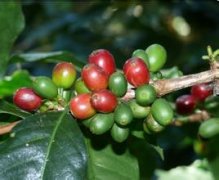
The growth cycle and picking of high-quality coffee
Coffee beans are the seeds of coffee trees. After three or four years of growth, the coffee tree matures and begins to bear fruit, with one fruit arranged in clusters or clusters along the branches. The outside of the seed is a layer of peel, which can be picked as soon as it turns red. Under the red skin (exocarp) there is a layer of pulp (mesocarp), which is a small thin layer, and then a layer of material endocarp like parchment. In

The growth cycle of Coffee and the Coffee Science of picking Fine products
The growth cycle of coffee and the picking of coffee beans are the seeds of coffee trees. After three or four years of growth, the coffee tree matures and begins to bear fruit, with one fruit arranged in clusters or clusters along the branches. The outside of the seed is a layer of peel, which can be picked as soon as it turns red. Under the red skin (exocarp) there is a layer of pulp (mesocarp), inside is a small thin layer, and then there is a layer like parchment

The growth cycle of coffee and picking coffee beans are the seeds of coffee trees.
Coffee beans are the seeds of coffee trees. After three or four years of growth, the coffee tree matures and begins to bear fruit, with one fruit arranged in clusters or clusters along the branches. The outside of the seed is a layer of peel, which can be picked as soon as it turns red. Under the red skin (exocarp) there is a layer of pulp (mesocarp), which is a small thin layer, and then a layer of material endocarp like parchment. In
What are the characteristics of Latin American coffee, African coffee and Asian coffee? China Coffee Network
1 Latin America [Jamaica] mentions Jamaica, and we immediately hear of "Blue Mountain" coffee. Rare and expensive true blue beans, originally from the Wallensford Coffee Garden, have now been expanded to the Blue Mountains with an altitude of more than 1000 meters. As long as the tree species and treatment procedures of the manor meet certain standards, the government will issue
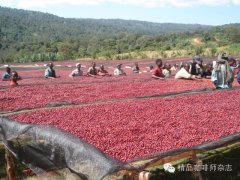
Coffee beans harvesting Coffee beans harvesting
Coffee beans are the seeds of coffee trees. After three to four years of growth, coffee trees mature and begin to bear fruit, one fruit after another arranged in clusters or clusters along the branches. The seed is covered with a peel that can be picked as soon as it turns red. Below the red skin (exocarp) is a layer of flesh (mesocarp), inside is a small thin layer, and further inside is a layer like parchment

Introduction to Rwanda Ngororero Laogrovo Coffee Variety: flavor characteristics of Rwanda Coffee
Professional coffee knowledge exchange more coffee bean information please follow coffee workshop (Wechat official account cafe_style) the beautiful country of thousands of hills Rwanda has a long and rich culture for growing highland coffee, mainly to grow high-quality Arabica coffee. Rwanda is one of the few countries in the world that can fully enjoy the harmony between soil elevation and climate. Lou

Guatemala coffee bean flavor characteristics Guatemala Antigua coffee boutique coffee beans
Ethiopia is one of the major producers of Arabica coffee in Africa, producing the best Arabian coffee in the world. It is said that coffee was first discovered by shepherds in Essekafa, and the name of coffee evolved from Kafa, so Essex is still the hometown of coffee. Essel's coffee beans.
The main producing areas of coffee in the world
The main producing areas of coffee in all countries of the world:
Stories of coffee bean producing areas in Africa and characteristics of coffee beans
Robusta beans are produced in most countries in Africa, but there are outstanding Arabica beans in the neighboring regions of Ethiopia in East Africa. East African coffee is very similar in nature, with spicy acidity and good mellow taste, is a distinct taste of coffee. Ethiopia is one of the major producers of African Arabica coffee and produces the best Arab in the world.
Coffee producing areas Coffee producing areas in the world
1 South America [Colombia] is the world's second largest coffee producer, accounting for about 12% of the world's annual production, although far less than the first Brazil's 30% to 35%, but most of them are high-quality alpine washed beans. Central Colombia is divided into several valleys by three north-south vertical mountains, of which the central and eastern mountains are the main coffee producing areas. Coffee here.

The main producing areas of coffee in the world
1 South America [Colombia (Colombia)] is the second largest coffee producer in the world, accounting for about 12% of the world's annual output, which is much lower than that of Brazil, but most of them are high-quality mountain-washed beans. Central Colombia is divided into valleys by three north-south longitudinal mountains, of which the central and eastern mountains are the main coffee producing areas. Coffee here

Coffee in the world's major coffee producing areas common knowledge
1 South America [Colombia] is the world's second largest coffee producer, accounting for about 12% of the world's annual production, although far less than the first Brazil's 30% to 35%, but most of them are high-quality alpine washed beans. Central Colombia is divided into several valleys by three north-south vertical mountains, of which the central and eastern mountains are the main coffee producing areas. Coffee here.

Analysis of producing countries of High-quality Coffee beans in Coffee Bean producing countries
1 South America [Colombia (Colombia)] is the second largest coffee producer in the world, accounting for about 12% of the world's annual output, which is much lower than that of Brazil, but most of them are high-quality mountain-washed beans. Central Colombia is divided into valleys by three north-south longitudinal mountains, of which the central and eastern mountains are the main coffee producing areas. Coffee here

The basic knowledge of coffee in the main producing areas of coffee all over the world
1 South America [Colombia (Colombia)] is the second largest coffee producer in the world, accounting for about 12% of the world's annual output, which is much lower than that of Brazil, but most of them are high-quality mountain-washed beans. Central Colombia is divided into valleys by three north-south longitudinal mountains, of which the central and eastern mountains are the main coffee producing areas. Coffee here

Barista course
Climate is the decisive factor for coffee cultivation. Coffee trees are only suitable for growing in the tropics or subtropics, so the zone between latitude 25 degrees south and north is generally called
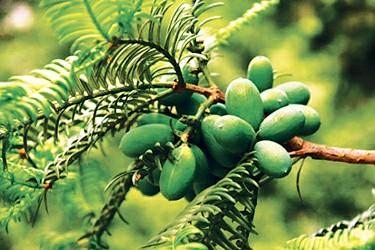
Coffee cultivation: what are the differences between different tree-shaped coffee beans in different producing areas?
There are four kinds of coffee trees in the world, of which only two are of real commercial value and are planted in large quantities. One is the Elaraby species (ARABICA), the other is the Robasta species (KOBUSTA). Different varieties of coffee beans have different flavors, but even the same varieties of coffee trees have their own unique flavors due to the influence of different soils and climates. Allah